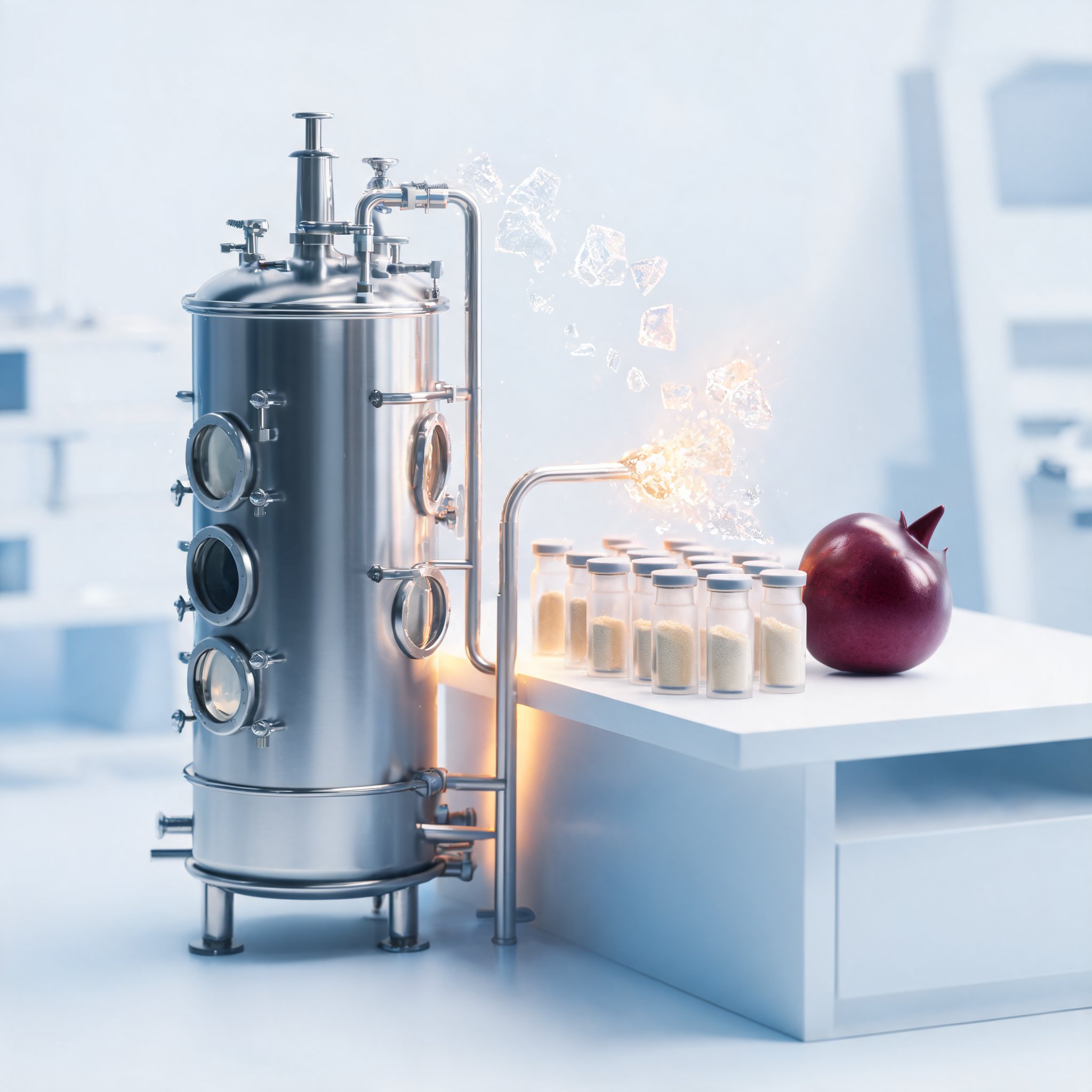
Amyris, Inc., a vertically integrated biomanufacturing company based in Emeryville, Calif., announced that it will acquire Oobli Inc., a Davis, Calif.-based sweet protein innovator whose fermentation-based ingredients are designed to help food and beverage brands reduce sugar without sacrificing taste. The acquisition is expected to close in the coming weeks.
Amyris said the transaction brings together its scientific capabilities and manufacturing depth with Oobli’s expertise in protein fermentation. The move follows Amyris’s expansion earlier this year of manufacturing capacity at its advanced fermentation facility in Barra Bonita, Brazil. Amyris described the acquisition as a strategic commercial and technology expansion intended to accelerate its presence in protein- and peptide-based solutions across end markets.
Complementary platforms
“In Oobli, we see a commercial and technology platform that is a great complement to our own,” Amyris CEO Kathy Fortmann said in the announcement. She said Oobli is positioned to change how sweetness reaches the market and that Amyris aims to apply its commercial scale and resources to accelerate the sweet revolution. By combining Oobli’s protein expertise with Amyris’s strain engineering, manufacturing scale and commercial capabilities, Fortmann said the companies see potential to broaden capabilities in food and beverage, personal care, flavor and fragrance, agriculture and other areas.
Oobli’s commercial portfolio of sweet proteins will be the first to benefit from the combined platform. Oobli has spent the past decade refining a fermentation process to produce sweet proteins that occur naturally in rare fruits and berries found near the equator. According to the company, its sweet proteins are the first of their kind in the sugar-reduction category.
How the proteins work
Sweet proteins are hundreds to thousands of times sweeter than sugar, according to Oobli. They bind directly to sweet taste receptors and are metabolized by the body as protein. Oobli says this delivers sweetness without gut disruption or blood sugar spikes.
Oobli’s portfolio includes Oubli Fruit, Serendipity Berry and Katemfe Fruit Sweet Proteins, known scientifically as brazzein, monellin and thaumatin, respectively. The ingredients have FDA GRAS status and are FEMA GRAS-affirmed for use as a natural flavor, according to the announcement. The announcement cited potential applications across sports and nutrition, dairy, beverages, chocolate, bakery and confectionery, pointing to growing consumer awareness of metabolic health and the benefits of sugar reduction.
Scale and continuity
Oobli CEO Ali Wing said the company has long believed there was a better way to deliver the sweet taste consumers want without trade-offs to health and the environment. She said joining Amyris gives Oobli the scale and resources to pursue its ambition of making sweet proteins a global standard in sweetness solutions. “Sweet proteins are an idea whose time is now,” Wing said.
Fortmann said Amyris has seen biomanufactured solutions succeed when they align with consumer demand and market needs. She said Oobli’s platform offers brands a way to address sweet taste, sugar reduction and clean label at the same time. Amyris said it looks forward to welcoming the Oobli team and realizing synergies between the two platforms.
Amyris said all existing customer commitments and brand partnerships will continue to be honored without interruption as Oobli’s sweet protein portfolio expands within the company.