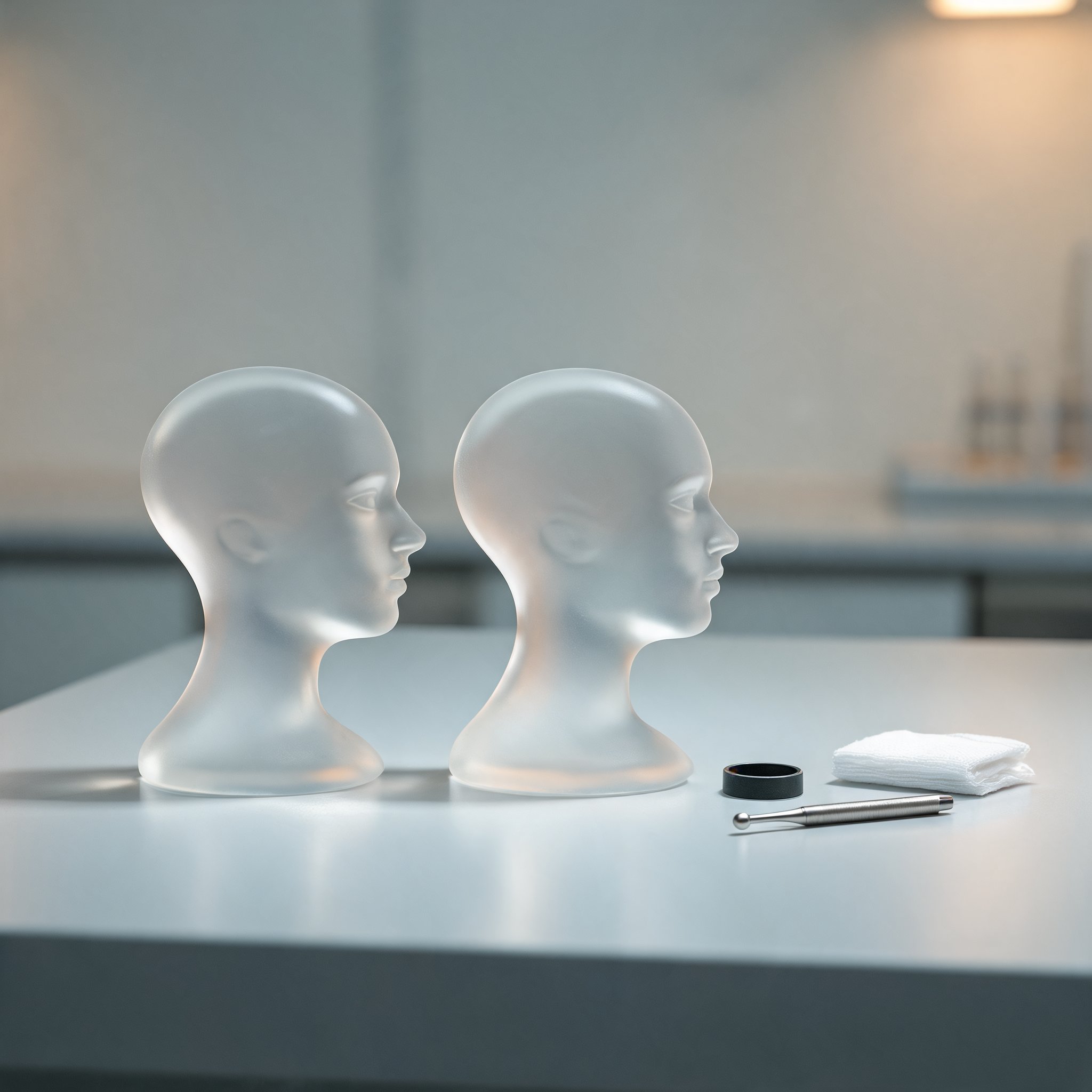
RoC Skincare is recruiting 30 pairs of adult female identical twins aged 40 and older in the US for the next phase of a clinical program examining its Patented Clinical Retinol. The 12-week study will combine standard skin assessments with biometric data collected by Oura Ring wearables, the company says.
The work follows a pilot that RoC used to test whether identical twins can provide a more precise model for studying visible skin aging. According to Art Pellegrino, the brand’s chief scientific officer, the pilot showed that the approach was viable and has led to the larger study.
Why identical twins
Identical twins share DNA and much of their early environment, giving researchers a closer natural comparison than unrelated participants. Pellegrino says that when two people begin with the same genetic blueprint, differences in their skin are less easily attributed to genetics and more likely to reflect lifestyle or environmental exposures.
That logic underpins RoC’s effort to separate, as far as practical, the effects of daily habits from inherited factors. The company is seeking twins with similar levels of environmental damage where possible, while tracking sleep, stress and other variables during the study.
Pilot results and limits
In the pilot, Pellegrino says twins in the placebo group had similar or worse signs of aging at the end of the study, while those in the treatment group showed as much or more than 20% improvement in four weeks. Those are company-reported pilot observations, not a conclusion that the regimen has been proven to slow skin aging.
The pilot did not try to quantify how much skin aging comes from genes versus lifestyle. Pellegrino says the expanded study is designed to examine that question by holding genetics constant and observing how daily life, including sleep and stress, changes the picture.
Wearables in the regimen
Participants are asked to wear an Oura Ring, which tracks health and wellness metrics such as sleep, stress, heart rate, heart-rate variability and temperature trends. RoC plans to pair that biometric information with clinical skin measures including expert grading, digital photography, corneometer readings and participants’ own assessments.
Pellegrino says wearables are creating an opportunity for the skin care industry to account for how people live when making product recommendations. Because external influences such as sun exposure and diet cannot be fully matched, the study will track lifestyle factors closely and compare each twin with her sister throughout the 12 weeks.
That design may allow researchers to see whether periods of poor sleep line up with lower hydration readings, or whether the twin under less stress sees fine lines improve faster. RoC is also interested in the reverse question: whether visible skin improvement affects a participant’s stress levels.
What comes next
RoC expects results from the twin study by mid-2027. Pellegrino says the findings will shape how the company develops products aimed at skin longevity and how it designs future clinical studies.