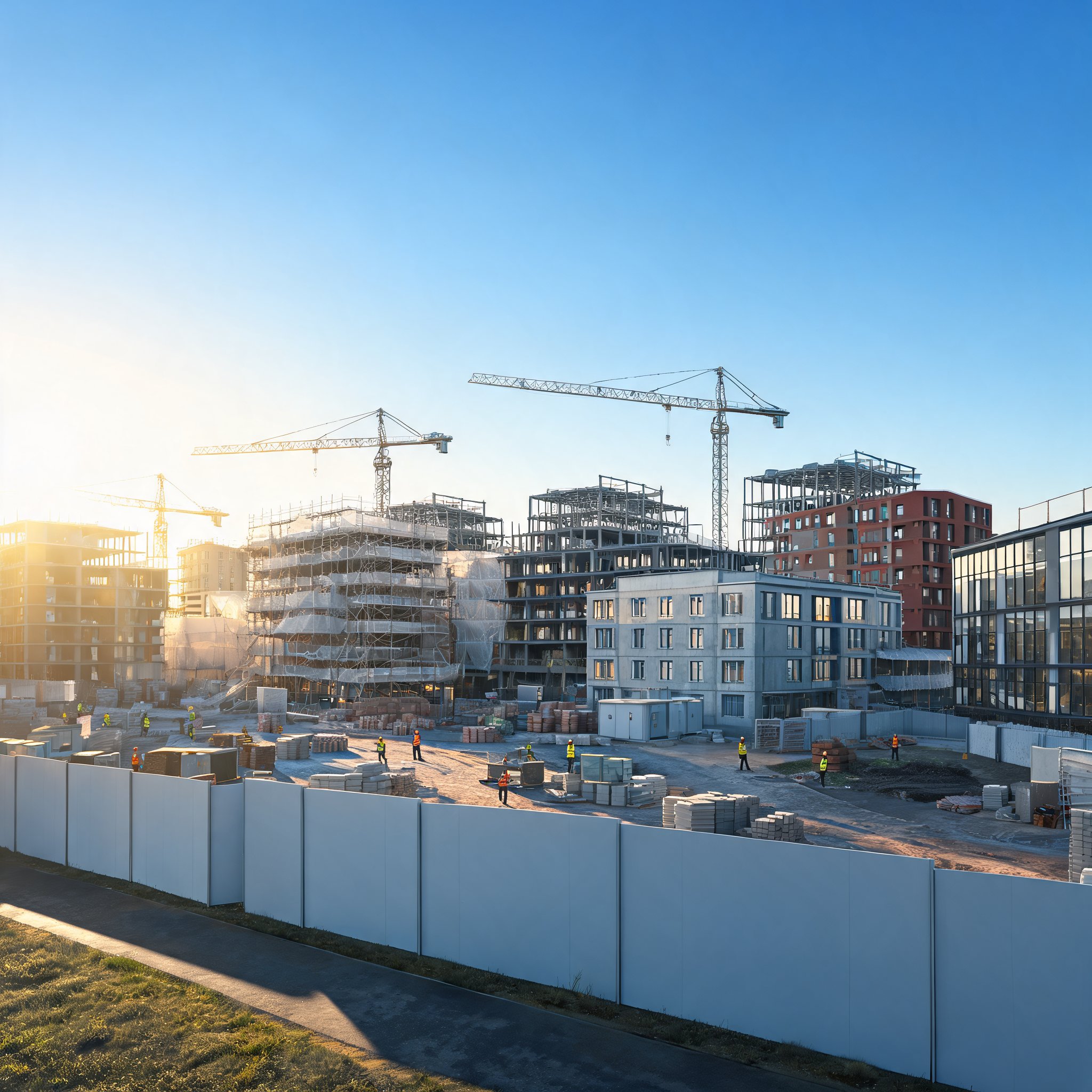
Willmott Dixon has set a target of building a £1.5bn construction business, after securing £747m of new work by the end of July and reporting higher first-half profit.
The contractor said 89% of that new work was under main contract, giving it secure and visible revenue for 2027 and beyond. Its construction division turned over £1.03bn last year and is aiming to expand from that base, with defence and healthcare expected to lead the growth.
Profit improves as revenue edges lower
Group pre-tax profit rose 15% to £11.5m in the six months to June. Revenue slipped to £545m from £548m as major starts took time to come through. Chief executive Graham Dundas said the priority for the year had been to convert a record level of preconstruction appointments into main contracts. He said the £747m secured by the end of July was 89% under main contract.
The group reported a £1.37bn secured order book and more than £3.5bn of identified workload, putting the total pipeline at around £5bn. Frameworks remain the main route to orders, accounting for about 90% of new work.
Education provides the largest wins
Education generated the biggest contract awards. They include the £93m College of North West London campus at Wembley and the £58m Mosslands secondary school. Other jobs include £28m of affordable homes at Princes Gate in Oldham for Muse, the £22m Bransbury Park Leisure Centre in Portsmouth and the £16m Bath Fire Station.
Willmott Dixon also strengthened its balance sheet. Cash rose to £127m, the group has no debt and shareholders’ funds reached a record £190m. Its relaunched Willmott Dixon Developments business is pursuing growth through public sector regeneration partnerships. It recently secured the £100m Baytree Shopping Centre scheme in Brentwood with Milligan.
Cost pressure remains a concern
Dundas warned that cost pressures were still affecting customers and suppliers. He said global conflicts continued to push up energy, fuel and material costs. In that environment, he added, customers were placing greater weight on financial resilience and a proven delivery record when choosing contractors.
The trading update sets out a longer-term expansion plan while managing a near-term dip in revenue and persistent cost inflation. The £1.5bn construction target is a forward-looking aim, not a completed result. The secured order book and wider pipeline are the stated basis for expecting growth from 2027.